Rwanda Animal Welfare Organization
Wildlife conservation
Wildlife Conservation Around Volcanoes National Park in Rwanda
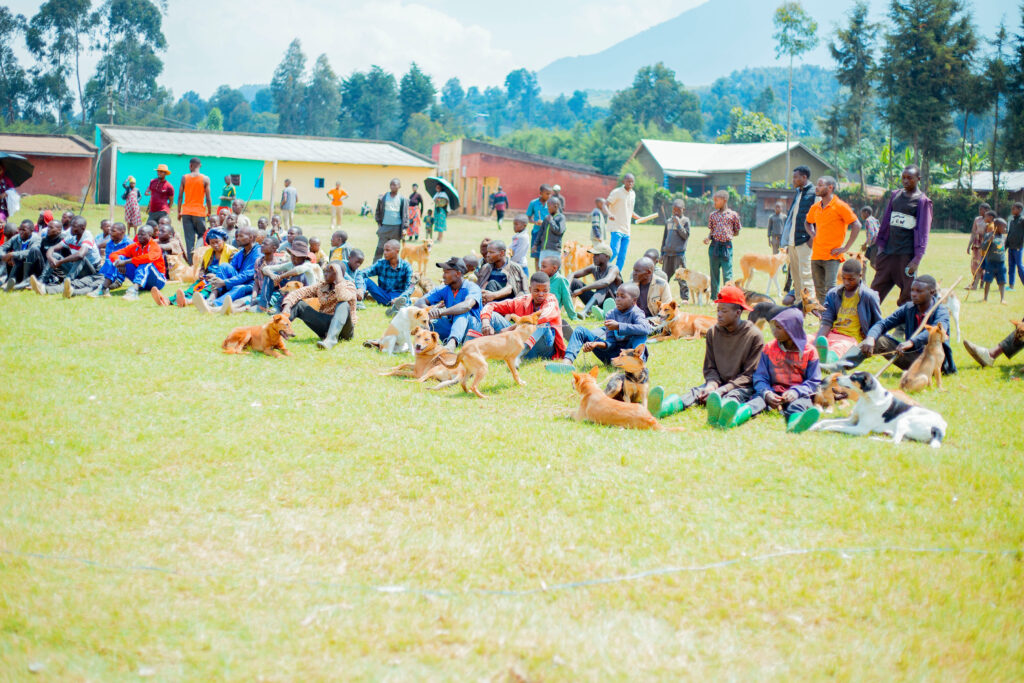
Promoting Human–Wildlife Coexistence
Background
Volcanoes National Park is an important wildlife conservation area in Rwanda, supporting unique biodiversity and providing habitat for endangered mountain gorillas and other wildlife. The communities living around the park, particularly in Nyange and Kinigi sectors of Musanze District, share the landscape with wildlife and play an important role in protecting the natural environment.
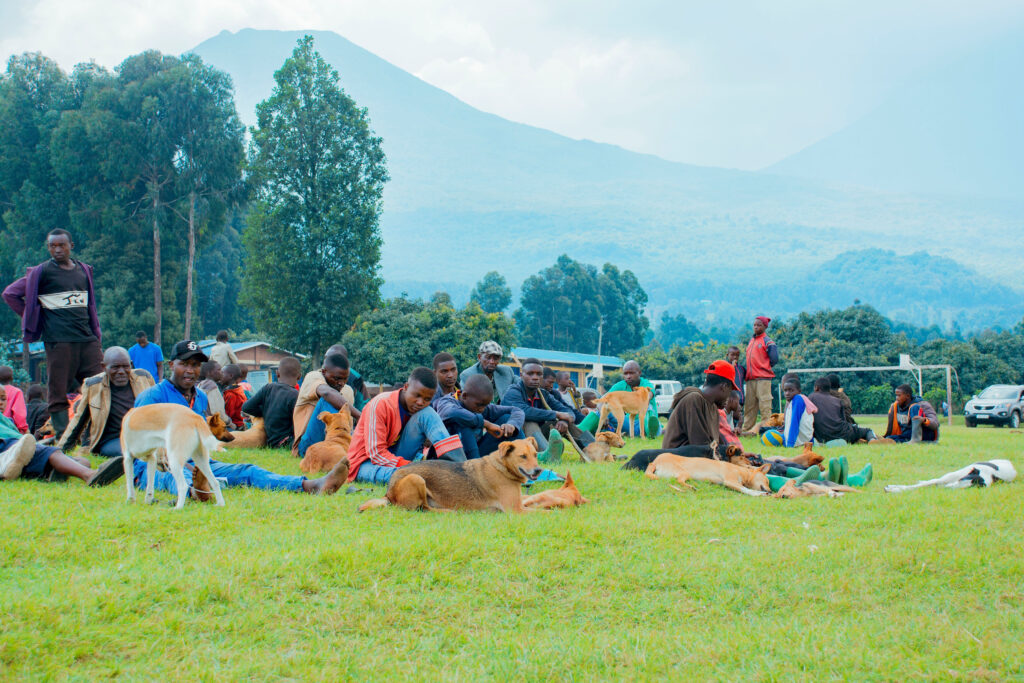
However, the presence of feral and free-roaming dogs in communities surrounding the park presents potential risks to wildlife conservation and public health. Dogs that roam without adequate supervision or responsible management may enter wildlife habitats, disturb or chase wild animals, and contribute to the transmission of infectious diseases between domestic animals, wildlife, and humans. These risks highlight the importance of promoting responsible dog ownership, improving animal welfare, and strengthening community participation in conservation efforts.
In response to these concerns, the Rwanda Animal Welfare Organization (RAWO) is working to address the challenges associated with free-roaming dogs in the Singita–Volcanoes National Park landscape. The proposed intervention focuses on understanding dog population dynamics, assessing dog health and welfare, examining community attitudes and practices regarding dog ownership, and investigating the potential impacts of roaming dogs on wildlife.
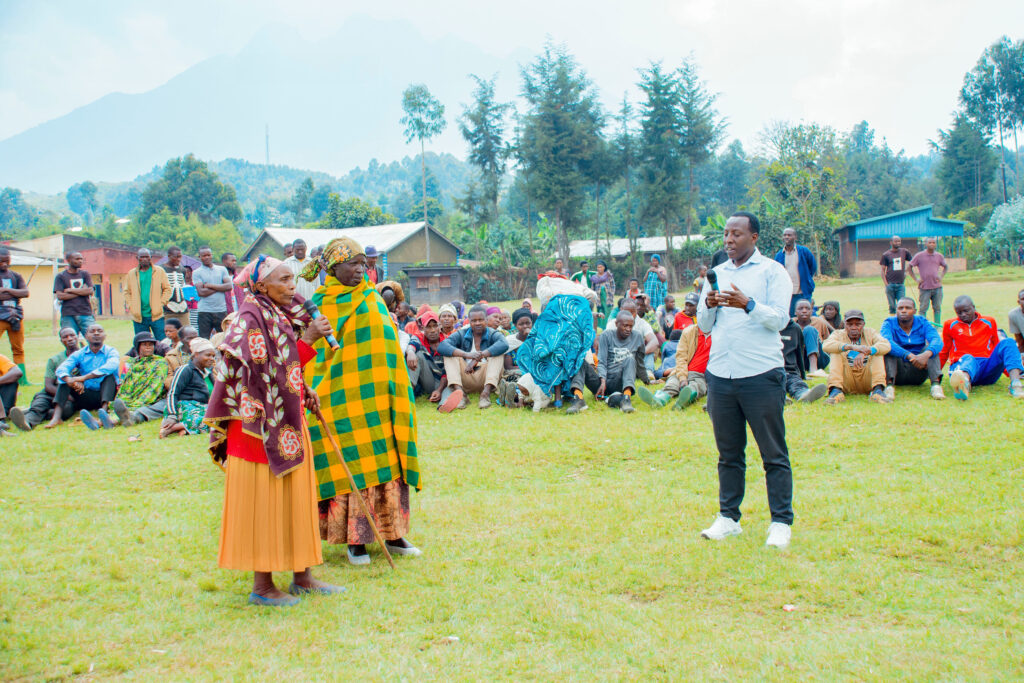
The initiative includes stakeholder engagement with relevant institutions, local authorities, community leaders, and conservation organizations. It also emphasizes household mapping and baseline surveys in six villages across Nyange and Kinigi sectors, community interviews, awareness campaigns, and education on responsible dog ownership, dog reproductive control, animal welfare, and the prevention of zoonotic diseases.
Through these activities, RAWO aims to promote peaceful coexistence between local communities and wildlife by encouraging responsible dog management and increasing awareness of the ecological and public health risks associated with uncontrolled dog roaming. By combining community education, evidence-based assessment, and collaboration with conservation stakeholders, the initiative seeks to contribute to wildlife protection, improved animal welfare, and healthier communities around Volcanoes National Park.
Project Activities
- Stakeholder engagement and community mobilization: Engaging local leaders, relevant government institutions, conservation stakeholders, and communities living around Volcanoes National Park.
- Dog population assessment: Collecting information on owned and free-roaming dogs, including vaccination and sterilization status, in Nyange and Kinigi sectors.
- Community awareness and education: Educating residents in communities around the park on responsible dog ownership, animal welfare, and the importance of protecting wildlife.
- Community surveys and interviews: Gathering information on dog health and welfare, community attitudes toward dog ownership, and the potential effects of free-roaming dogs on wildlife.
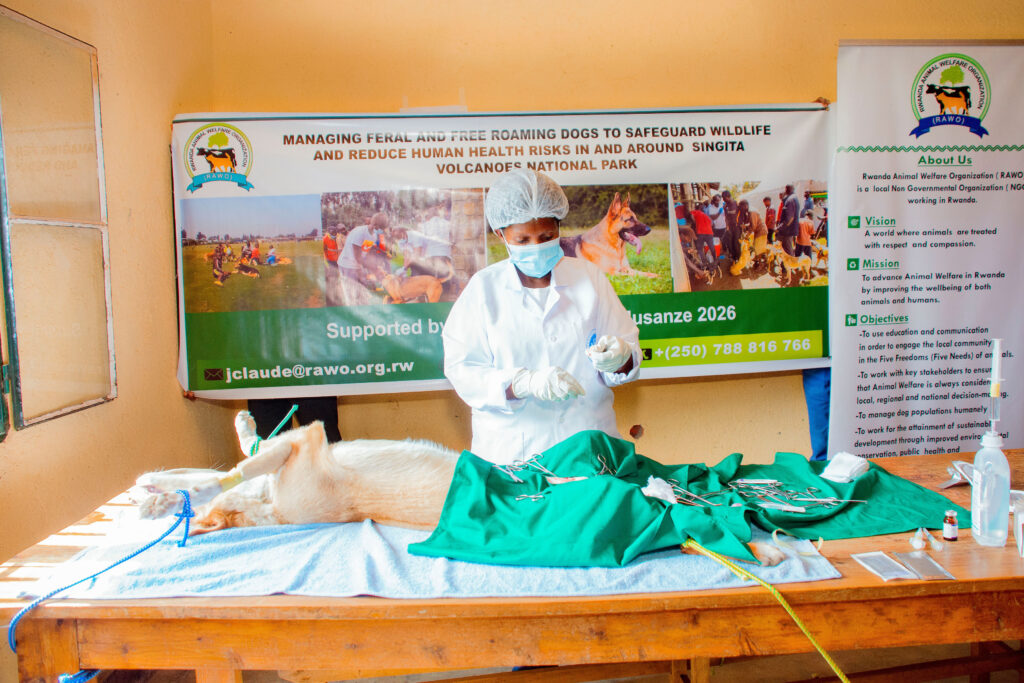
- Promoting responsible dog management: Raising awareness about dog reproductive control, disease prevention, and reducing the risks associated with uncontrolled dog roaming.
- Wildlife conservation education: Encouraging communities living around Volcanoes National Park to protect wildlife and promote peaceful coexistence between people, domestic animals, and wild animals.